
Powered By



Parents of children with epilepsy worry that sports could increase their child’s risk of injury or cause more seizures. Although you may have heard otherwise in the past, doctors say that most sports are perfectly safe for kids with epilepsy.
Children, teens, and adults with epilepsy can play sports. Studies have shown that sports injuries are not any more common for people with epilepsy than those without it.
Some people might also fear that exercise could cause seizures, but there is no solid evidence to support this idea. Across many studies, researchers have found that playing sports does not make seizures happen more often. It may even help lower the risk of other health problems.
Sports stars with epilepsy, including NFL greats Justin Fields and Tiki Barber, help prove that this condition doesn’t need to hold kids back.
Exercise is not a common trigger for seizures. In fact, it is pretty rare. However, people who do have this trigger can easily recognize and avoid it.
Those triggered by hyperthermia (getting severely hot) or hyperventilation (breathing rapidly) can choose the right sport or modify their participation levels to minimize exposure to them. Research says that even in people with a hyperventilation trigger, the fast breathing that happens when you’re working out doesn’t usually activate it.
Participating in sports and other forms of physical activity can be fun and healthy for almost anyone. Being more physically active has physical, psychological, and social benefits. 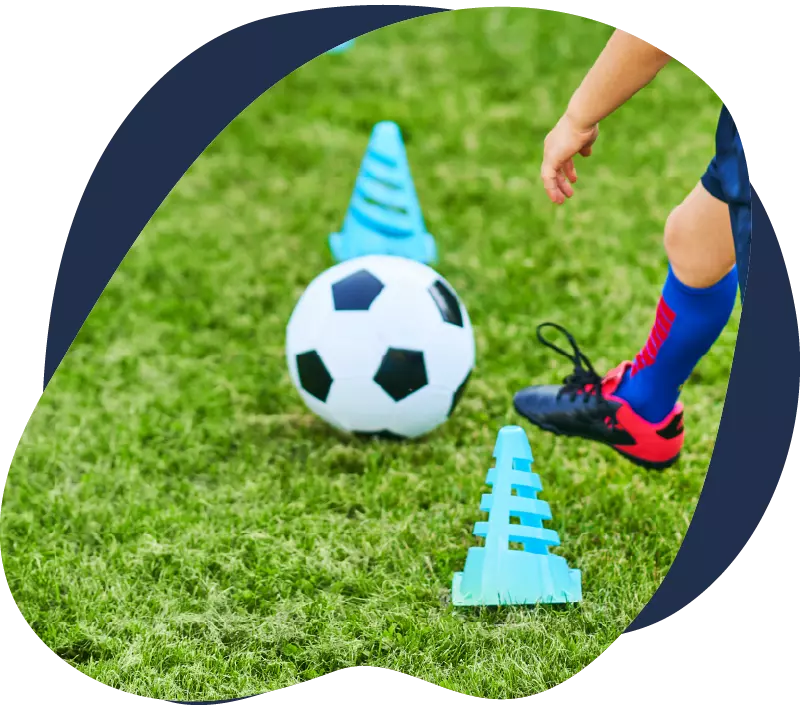
Unfortunately, adults with epilepsy today often exercise less than people who don’t have it. In surveys, many people say they don’t exercise because they don’t believe they can, even though they’ve never talked to their doctors about it.
It’s normal as a parent to worry about your child’s epilepsy. However, restricting children from playing sports because of epilepsy could keep them from getting the health benefits of exercise.
Just like people without epilepsy, people with the condition are healthier with exercise. Regular physical activity helps kids build healthy bones and muscles, maintain a healthy weight, and promote positive well-being. Exercise can help prevent diseases like cancer and reduce the risk of heart disease.
People who play sports as children are also much more likely to be active as adults.
Regular physical activity is specifically good for the brain in ways that are important for people with epilepsy. Exercise helps the brain form stronger connections and become more flexible, which in turn improves memory and thinking skills.
Researchers found that exercise also helps boost a protein called BDNF, which supports nerve cell regeneration. These findings are mainly experimental but may help researchers understand how physical activity affects the brain.
Participating in sports helps kids develop positive self-esteem, make friends, and learn to express themselves. It helps them develop healthy problem-solving skills and also leads to a lower likelihood of teen smoking and depression.
Growing up as a child with epilepsy can feel isolating, and many people with epilepsy report social challenges and difficulty making friends. Holding your child back from playing sports could increase the stigma they face from other kids and emphasize their condition as a disability.
“In school, my worries about getting a seizure kept me from being involved in anything,” shared one MyEpilepsyTeam member. “I did not do sports, go to proms, nothing. I wish I could redo school. At least I changed my attitude later in life.”
Doctors generally agree that kids should not be discouraged from participating in sports because they have epilepsy. Although no activity is completely safe, proper safety equipment and judgment are often enough precautions.
All children, including those with epilepsy, should wear bicycle helmets or other sports helmets (like those for baseball and hockey), life jackets, pads, and other standard protective equipment.
Children with well-controlled seizures can generally participate in activities that are considered safe for them. If seizures are frequent or not well controlled, some activities may be best avoided, such as hiking on narrow trails, cycling near cars, or swimming in open water.
Children who lose consciousness or motor control during seizures may face a greater risk of injury than kids who have other kinds of seizures.

It is important to perform individual risk assessments when choosing a sport and to take adequate precautions. Ultimately, it depends on the type and frequency of seizures, other conditions, and the child’s preference, but it is always important to know what precautions to use.
Some sports are usually safe with proper precautions, such as dance, golf, and team sports. Other sports may be risky, especially if seizures are not well controlled, but could be considered with proper safety precautions and discussion with the child’s team:
These sports are considered higher risk and might not be recommended:
Contact sports are generally safe, but sports such as ice hockey, rugby, and tackle football may carry a higher risk of injury. Children with poorly controlled epilepsy may need to avoid them. Boxing is usually best avoided for all children because it raises the risk of head injuries. Severe head injuries can cause seizures or make epilepsy worse.
It’s a good idea to make sure the adults responsible for your child know about their epilepsy and what to do if a seizure happens.
It may be best to create an individual healthcare plan for your child and provide it to their coaches and instructors. The plan should include:
You could also suggest that coaches or school officials receive epilepsy first aid training, which usually includes skills such as recognizing a seizure, handling a seizure, and knowing when to call an ambulance.
It’s important to make sure coaches and school officials know what to do in case of seizures. Seizures often stop on their own and are usually not a medical emergency. Still, it’s important to time the seizures and check for injuries.
Involving school officials could also help your child feel included and allowed to play.
“People are afraid of what they don’t know,” said one MyEpilepsyTeam member. “In elementary school, I wasn’t allowed to participate in gym or any sports-related activities without a doctor’s note. They’re not gonna take my word for it when I say I’m fine because they don’t know what to do in case of a seizure.”
“I was still great at sports, even when I had a seizure in the middle of a game,” said another member. “My coach would come out and attend to me until I was back aware from the seizure. I wouldn’t even know I had a seizure until after the game when my mom told me.”
On MyEpilepsyTeam, people share their experiences with epilepsy, get advice, and find support from others who understand.
What do you think? Can students with epilepsy participate in sports? Share your thoughts in the comments below.
Get updates directly to your inbox.




 Continue with Facebook
Continue with Email
Continue with Facebook
Continue with Email
Continue with Facebook
Continue with Email
Continue with Facebook
Continue with Email
Become a member to get even more





 Join
Join




 Your Privacy Choices

This is a member-feature!
Sign up for free to view article comments.
That's great Sean2
Things were a little different when I went to school. Yeah, I know, that was during the last ice age right
I was what they called the team manager. It's another name for someone… read more
We'd love to hear from you! Please share your name and email to post and read comments.
You'll also get the latest articles directly to your inbox.