
Powered By



Every November, people affected by seizure disorders come together to observe National Epilepsy Awareness Month (NEAM). This month is dedicated to raising public awareness about epilepsy, supporting those living with the condition, and promoting research for better treatments and, ultimately, a cure.
Over 3.4 million people in the U.S. live with epilepsy, including 456,000 children. NEAM is an important opportunity to educate the public, reduce stigma, and build a stronger, more inclusive community for people with epilepsy and their loved ones.
Purple is the official color for epilepsy awareness. The purple ribbon was chosen because it represents courage and strength — qualities that people with epilepsy and their families demonstrate every day.
Sign up to view the results!
 Continue with Facebook
Continue with Email
Continue with Facebook
Continue with Email

The lavender flower is the official flower of epilepsy. Because purple is used to represent many different causes, some organizations have created their own distinctive symbols.
For example the Epilepsy Association designed a stylized purple “e” logo to specifically represent epilepsy and give it a recognizable identity. The Epilepsy Foundation uses a purple and red flame to symbolize its mission to brighten the lives of those living with the condition.
The seahorse is another symbol for epilepsy awareness. This is because this neurological disorder often causes seizures that begin in a part of the brain called the hippocampus, which is shaped like a seahorse. Seahorses are also strong and resilient animals who face a number of challenges, much like people who live with epilepsy.
There are many ways to get involved during NEAM, whether you’re living with epilepsy, you’re a caregiver for a loved one who has seizures, or you just want to help make a difference.
Since purple is the official color of epilepsy, wearing it is one of the easiest ways to show support. Whether it’s a ribbon, a shirt, a bracelet, or a full purple outfit, it can spark conversations about epilepsy and help raise awareness. You can also decorate your home with purple or make purple treats to share with friends and family.
One MyEpilepsyTeam member wrote, “Now that we’re in November, happy purple month for all of us out there! Wear your purple with pride!”
Another added, “In support of epilepsy awareness month, we dyed my daughter’s hair bright purple. She’s so excited to educate her class on what kind of seizures she has and how to help when she has one.”
“My new frames for my glasses are black and purple,” shared a member. “The purple is to support epilepsy.”
Sharing your personal story is a powerful way to spread awareness. Whether you post online, share in a support group, or speak at a local event, your experience can help others feel less alone and teach people who don’t know much about the condition.
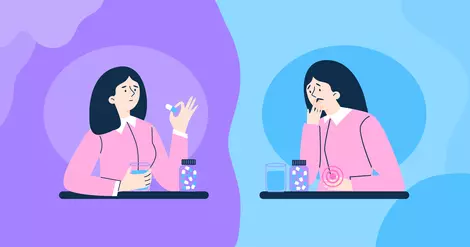
Some people with epilepsy discuss the challenges they face, such as taking anti-seizure medications or managing symptoms like fatigue.
Social media is a great tool for spreading awareness. You can use hashtags like #EpilepsyAwarenessMonth, #NEAM, and #ShareYourPurplePower to connect with others and share facts, resources, or your own experiences. You can also add purple to your social media profile picture or posts during November to promote awareness of epilepsy.
Many epilepsy organizations, such as CURE Epilepsy and the Epilepsy Foundation, host local walks, runs, golf tournaments, and educational events throughout the year, especially during the month of November. Some organizations also celebrate Purple Day, which is another awareness day for epilepsy each year in March.
These events are great ways to meet others, learn more, and bring attention to epilepsy. Keep in mind that events vary depending on where you live. To stay updated on groups and events, check online for local epilepsy foundations and organizations near you.
Fundraising can be creative and fun. With so many fundraising and volunteering options available, you can find one that fits your interests and lifestyle.
Some popular fundraising ideas include:
You can also create your own fundraiser. Whether it’s hosting a party, bake sale, auction, or movie night, any advocacy effort can help raise awareness and support epilepsy research.
Knowing what may trigger a seizure and how to respond during a seizure can save lives. The Epilepsy Foundation offers a free Seizure Recognition and First Aid certification course that teaches you how to recognize different types of seizures and respond safely. The course is available both online and in person, and you’ll receive a two-year certification when you complete it.
Basic seizure first aid includes:
“I did my seizure first-aid training and became seizure first aid certified,” shared one MyEpilepsyTeam member. “It was interesting to hear questions from people outside of the epilepsy community, and the different stigmas within our community. I encourage anyone who is interested in becoming certified in seizure first aid to sign up for the certification course. It’s free and only takes maybe an hour!”
Even small donations can make a big impact in helping people living with epilepsy. You can donate more than just money, too. Depending on where you live, some organizations accept household items, clothing, or even stocks.
Here are a few organizations you can look into to learn more about their missions and donation options:
Local chapters of the Epilepsy Foundation offer support groups, educational programs, and community events. They’re a great place to find ways to get involved in your area. You can search online by ZIP code or state to find your nearest chapter.
Epilepsy is the fourth most common neurological condition in the U.S., yet it often receives less attention and funding than other conditions. Taking part in NEAM helps change that. By spreading awareness, you help build a more informed and compassionate community for people living with epilepsy.
One MyEpilepsyTeam member shared, “Help spread the awareness that even though we might have epilepsy, it doesn’t have to stop us from doing things we want to. Having epilepsy doesn’t mean we can’t be just like everyone else and have a good quality of life!”
Whether you wear purple, share your story, or get certified in seizure first aid training, your actions matter. Together, we can raise awareness and make sure no one faces their epilepsy journey alone.
Get updates directly to your inbox.


How can I get a Purple Ribbon ?

 Continue with Facebook
Continue with Email
Continue with Facebook
Continue with Email
Continue with Facebook
Continue with Email
Continue with Facebook
Continue with Email
Become a member to get even more




 Join
Join


 Your Privacy Choices

This is a member-feature!
Sign up for free to view article comments.
Epilespy month in Australia is March and epilespy Day is the 26 March.
We'd love to hear from you! Please share your name and email to post and read comments.
You'll also get the latest articles directly to your inbox.