A mri will give a image of possible scaring in the brain, Not everyone has this picked up on mri.
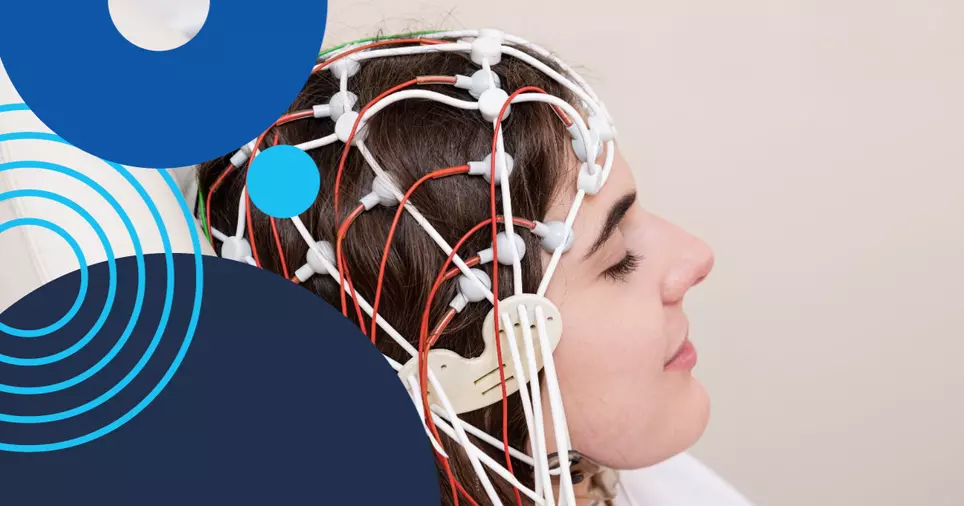
A EEG will show the brain waves in real time. So, it's used to pick up abnormalities and seizures.
September 24
The MRI shows a computer display of the lesions or seizure locations.
The EEG reads your brain waves. There are the normal brain waves. Then there are the many different seizure brain waves showing abnormal spikes in the brain.
September 24
That's a really valid question, and the wait must be frustrating. Here's what each test can reveal:
EEG (Electroencephalogram)
This test records the brain's electrical activity by placing small electrodes on the scalp. For epilepsy, it can help:
- Confirm whether seizures are epileptic
- Identify the type of seizures your son Show Full Answer
That's a really valid question, and the wait must be frustrating. Here's what each test can reveal:
EEG (Electroencephalogram)
This test records the brain's electrical activity by placing small electrodes on the scalp. For epilepsy, it can help:
- Confirm whether seizures are epileptic
- Identify the type of seizures your son is having
- Pinpoint where in the brain the seizures are starting
About 50% of EEGs in people with seizures can come back looking normal, especially if no seizure occurs during the test. A longer ambulatory EEG (worn at home for 1–3 days) can increase the chances of capturing activity. MRI (Magnetic Resonance Imaging)
An MRI gives a detailed picture of the brain's structure. It can detect:
- Scar tissue or lesions
- Abnormal blood vessel formations
- Excess fluid
- Other structural issues that may be triggering seizures
This information can help identify *why* seizures are happening, even if treatment doesn't change immediately. It's worth having an open conversation with the doctor about why these tests were ordered if they won't influence treatment. Understanding the *cause* and *type* of seizures can still be valuable long-term, even if the current treatment plan stays the same. A second opinion from another neurologist is always an option if concerns remain.
September 24







 Join




 Your Privacy Choices
