
Powered By



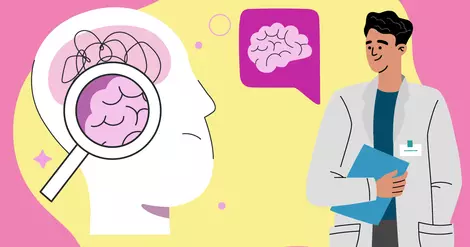
When a seizure happens, it can leave you with a lot of questions. What caused it? Could it happen again? An electroencephalogram (EEG) is one test that can help doctors look for answers.
An EEG is a painless test that records the brain’s electrical activity. Although the electrodes and wires may look intimidating, knowing what to expect can make the experience easier. Here’s how an EEG works, how to prepare, and what the results may tell you about seizures and epilepsy.
 What To Expect When You Have an EEG
Knowing what to expect when you or your child goes in to have an EEG can make the whole process easier. Here’s what you need to know.
Your doctor will give you instructions regarding what to do before your EEG. In general, you’ll want to wash your hair the night before the test and avoid all creams, gels, and other hair products on the day you go in. This makes your hair clean and dry for the EEG technologist.
Tell your doctor about any medications you’re taking before the test. They may give you special instructions about these, as well as about what you eat or drink before the test. Your doctor may also ask you to stay awake all night before you go in for your EEG if they need you to be sleep-deprived.
If your doctor gives you instructions not listed here, make sure you follow those specifically. They may have to do with particular information your doctor wants to get during the test.
When you’re called back for an EEG, you’ll be asked to sit comfortably or lie down. The EEG expert will measure your head, then mark where they want to put the electrodes. These are attached with a glue that you may need to wash off later.
Once the electrodes are attached, the test can start. It usually lasts between 20 and 40 minutes, though the whole process can take up to 90 minutes.
You’ll spend at least part of the test relaxed, and your eyes can be open or closed. During the test, the technician may ask you to do certain things. This can involve looking at blinking lights, opening and closing your eyes, or breathing differently, like deeply or faster.
If you know what seizure symptoms feel like, you should let the technician know if you start to feel them. Having a seizure in this situation is rare, but there will be help for you if it happens.
After the EEG, the technician will remove the electrodes. You can usually return to your normal activities right away, although you may need to wash some glue or paste from your hair and scalp. A doctor will review the recording and discuss the results with you at a follow-up visit.
 What Does an EEG Tell You About Epilepsy?
Doctors do not use EEG results alone to diagnose epilepsy. They will also consider your or your child’s symptoms, medical history, and family history. An abnormal EEG may show brain wave patterns linked to epilepsy and help doctors learn more about the type of seizures involved.
A normal EEG does not always rule out epilepsy. The test records brain activity only during the testing period, so it may not catch unusual activity when it happens. If you or your child continues to have possible seizures, tell your doctor. Epilepsy may still be diagnosed based on symptoms and other evidence, or your doctor may recommend more testing.
Talk to your doctor if you think you or your child may have had a seizure or if you have questions about an EEG. They can explain why the test is being ordered, what the results mean, and whether more testing or treatment may be needed.
On MyEpilepsyTeam, people share their experiences with epilepsy, get advice, and find support from others who understand.
What did you find out when you had an EEG for epilepsy? Let others know in the comments below.
Get updates directly to your inbox.





 Continue with Facebook
Continue with Email
Continue with Facebook
Continue with Email
Continue with Facebook
Continue with Email
Continue with Facebook
Continue with Email
Become a member to get even more





 Join
Join


 Your Privacy Choices

This is a member-feature!
Sign up for free to view article comments.
I like this because im new to this. I'm 77yr old newbie. Diagnosed focal seizure. Not designated as aware. My experience lasted from daytime into next morning, hospital. Had some awareness and mostly… read more
We'd love to hear from you! Please share your name and email to post and read comments.
You'll also get the latest articles directly to your inbox.