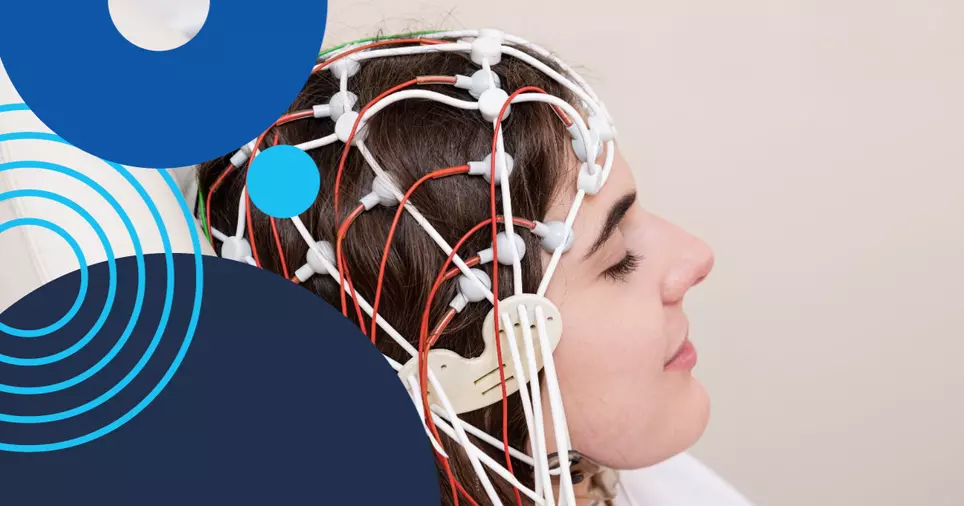
What you're describing sounds incredibly frustrating and exhausting — and frankly, being dismissed after visible seizure activity on an EEG, multiple TBIs, and repeated episodes of status epilepticus is not okay. You deserve to be heard and taken seriously.
Here's what's important to understand about your situation Show Full Answer
What you're describing sounds incredibly frustrating and exhausting — and frankly, being dismissed after visible seizure activity on an EEG, multiple TBIs, and repeated episodes of status epilepticus is not okay. You deserve to be heard and taken seriously.
Here's what's important to understand about your situation: Regarding your EEGs and epilepsy diagnosis:
A normal EEG does not rule out epilepsy, but two *abnormal* EEGs are significant findings that should not be dismissed. Doctors are supposed to consider your full history — symptoms, medical background, and test results together — not just one piece of evidence in isolation. Regarding your TBIs and epilepsy risk:
Three traumatic brain injuries significantly raise the risk of epilepsy. Studies show that among people 15 and older with TBI, roughly 1 in 10 developed epilepsy within three years of injury — and that risk can persist for up to 15 years with more severe injuries. With three TBIs, organic brain damage, and a history of status epilepticus, there is a strong medical basis to pursue an epilepsy diagnosis seriously. Regarding status epilepticus:
Repeated episodes of status epilepticus — seizures lasting more than five minutes or back-to-back seizures — carry real risks of lasting brain damage and are considered medical emergencies. This history alone warrants thorough, ongoing neurological care, not dismissal. What might help moving forward:
- Seek a second opinion from an epilepsy specialist (epileptologist), ideally at a dedicated epilepsy center
- Request copies of both EEG reports — you are entitled to your own medical records
- Keep a detailed seizure diary noting timing, duration, triggers, and how you feel afterward
- Ask about long-term ambulatory EEG monitoring, which records brain activity over days rather than a short window
You have been through an enormous amount, and your medical history deserves to be taken seriously by someone who will actually listen. Don't give up on finding that person.
September 23