
Powered By



Lennox-Gastaut syndrome (LGS) is a complex form of epilepsy. LGS can be overwhelming, whether you’re living with it yourself or caring for someone who has this condition. Seizures are often difficult to control, and many people with LGS need multiple medications. However, with persistence and the right medical guidance, improvements are possible.
Read on to explore types of therapies used for LGS, including medications, surgeries, diets, and devices.
Lennox-Gastaut syndrome can be difficult to treat. Treatment options are limited because of the disease’s resistance to anti-seizure medications (ASMs). Typically, at least two ASMs are needed. Even then, it’s hard to achieve complete seizure control.
One MyEpilepsyTeam member shared that after years of taking certain medications, their son with LGS was referred for genetic testing. Based on the results, their doctor recommended a treatment that made a big difference. “Since we changed him to the correct medicine, he went from having three to four seizures a DAY to one or two a MONTH,” the member wrote. “Still not completely gone but HUGE improvement. Needless to say, push for that test to help pair you with the correct medication.”

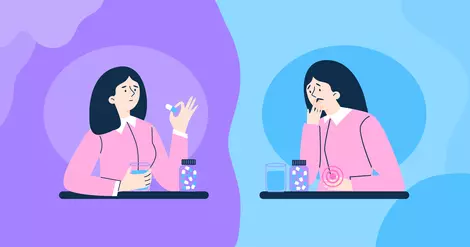
All seizure medications can have side effects, which may affect quality of life. This is especially true when taking multiple medications.
The anti-seizure medication valproic acid, also called valproate, is a first-line treatment for LGS. This drug is effective against a wide range of seizure types.
Clonazepam (Klonopin) may be used early in therapy to help manage certain seizure types. However, it’s not considered a first-line treatment for LGS. Because of its potential for side effects and tolerance — meaning the medication can become less effective over time — clonazepam may not be suitable for long-term use in everyone.
Lamotrigine (Lamictal, Subvenite) is another first-line option for LGS that’s approved for managing multiple seizure types, including tonic-clonic seizures and focal seizures (previously called partial seizures). This drug is often used with other seizure medicines, and the dose must be increased slowly to prevent side effects like rash.
If valproic acid and other treatments don’t control seizures, other drugs may be prescribed, including:
These ASMs are approved by the U.S. Food and Drug Administration (FDA) to treat LGS-associated seizures, often as add-on therapies.
The anticonvulsant drug felbamate (Felbatol) is approved to treat seizures in children with LGS. Although felbamate has been found to be safe and effective, it’s usually considered a third- or fourth-line option because of rare but serious side effects. Felbamate carries an FDA boxed warning for potentially life-threatening blood and liver problems. For this reason, doctors use it with caution and monitor people with regular blood tests.
Anti-seizure drugs may be associated with significant side effects. This is especially true for people on multidrug, high-dose regimens. Some drugs can cause sedation and become less effective over time. Taking multiple medications may raise the risk of side effects.
Treatment plans change over time, since seizure patterns and treatment effectiveness can vary throughout a person’s life. Family members and caregivers should work closely with doctors to manage medications and monitor for changes.
Researchers are always working to find better treatments for Lennox-Gastaut syndrome. Following are some of the newer treatment options.
Epidiolex is an oral form of cannabidiol (CBD) derived from the hemp plant. This drug is the first FDA-approved medication containing a purified drug substance from cannabis. Epidiolex is specifically approved to treat seizures linked to LGS, Dravet syndrome, and tuberous sclerosis complex. In one study, cannabidiol helped lower the number of drop seizures by about 44 percent a month. People who took a placebo (fake treatment) had only a 22 percent decrease in seizures.
Rare side effects of cannabidiol have been reported, and the medication may interact with other drugs, such as valproic acid and clobazam. Although some studies suggest that CBD is safe for long-term use, further research is needed to confirm its safety over extended periods.
In 2022, the FDA approved fenfluramine (Fintepla) to treat Lennox-Gastaut syndrome in people ages 2 and over. In a clinical trial, fenfluramine helped people with LGS have fewer drop seizures when other treatments didn’t work. It was also safe and didn’t cause major side effects in the study.
Fenfluramine has an FDA boxed warning about possible heart-valve and lung-artery problems. For that reason, people on this drug should get heart ultrasounds on a set schedule.
Some seizure medications may be used off-label for Lennox-Gastaut syndrome. This means they aren’t FDA-approved specifically for LGS but may still help control certain types of seizures. These drugs include levetiracetam, vigabatrin, and zonisamide.
Neurologists and other healthcare providers prescribe off-label treatments based on research and experience, but these medications can have risks. For example, vigabatrin may cause permanent vision loss. It’s important to discuss benefits and side effects with your clinicians.
Rescue medicines can help prevent and treat life-threatening seizures. Commonly prescribed rescue medicines include fast-acting benzodiazepines such as diazepam, lorazepam, and midazolam. Only certain forms are FDA-approved for home use:
Other formulations may be used off-label or in hospital settings but aren’t specifically approved for home use or for LGS. Rescue medications may be given in different ways, including orally (by mouth), sublingually (under the tongue), and buccally (between the cheek and gum).
Having a seizure response plan is key to managing emergencies. Talk with your doctor about creating a plan tailored to your needs, and ask whether keeping a seizure diary could help track patterns and improve care.
A doctor may recommend a procedure or nondrug treatment when medications alone don’t control LGS seizures. These therapies aim to reduce seizure frequency, improve safety, and enhance overall quality of life.
Vagus nerve stimulation (VNS) may be effective for people with LGS who don’t respond to medication. A device surgically implanted in the chest sends mild electrical signals to the brain, via the vagus nerve, to treat seizures. A large study of people with LGS found that 54 percent had their seizures reduced by at least half after receiving VNS therapy. The treatment was shown to be generally safe, with serious side effects occurring in about 9 percent of participants.
Corpus callosotomy is a surgery that involves cutting the corpus callosum (a bundle of nerves in the brain), which may prevent seizures from spreading between the two sides of the brain. This procedure doesn’t remove any brain tissue and is most helpful in reducing drop seizures, which can lead to injuries.
Research suggests corpus callosotomy may be better than VNS for controlling seizures, though it is more invasive and comes with higher risks for complications. Because of these risks, some physicians prefer VNS. Some people have been treated with both VNS and corpus callosotomy, with promising results. One study found that 83 percent of children with LGS who had corpus callosotomy after VNS experienced at least a 50 percent reduction in drop seizures. Additionally, 60 percent saw significant reductions in other seizure types.
Resective surgery removes areas of the brain that cause seizures, with the goal of stopping them altogether. Resective surgery often involves one of the temporal lobes, which control visual memory, language comprehension, and emotions. In a study of resective surgery for refractory (drug-resistant) LGS, 50 percent of people were seizure-free after six years. This type of epilepsy surgery also improved the behavior and social skills of people with LGS, allowing for better daily interactions and quality of life.
Keep in mind that seizure-free rates after resective surgery can vary. The best outcomes are seen in carefully selected people who have a well-defined, resectable area of the brain where seizures begin. It’s important to work with your doctor to create a personalized plan and set realistic expectations before surgery.
Some research indicates that dietary changes may help control seizures brought on by Lennox-Gastaut syndrome.
The ketogenic diet is a high-fat, low-carbohydrate diet. One variation, the modified Atkins diet, is sometimes used to treat children with LGS who don’t respond well to medications. In one review, 47 percent of children with LGS had their seizures reduced by at least 50 percent after following the diet for three to 36 months, and 16 percent became completely seizure-free.
The diet has been shown to reduce various seizure types, including tonic, atonic, and atypical absence seizures. Additionally, a study found that 45 percent of children could take lower doses of their seizure medications while on the diet, reducing side effects. Work closely with a doctor or dietitian if you’re considering this diet.
The low glycemic index treatment (LGIT) is an option for people with drug-resistant LGS. This diet has less fat than the ketogenic diet and includes only certain carbohydrates that don’t raise blood sugar too much. According to the Epilepsy Foundation, most people on LGIT had fewer seizures. Some had none at all, and others could take less seizure medicine.
Before starting a specific diet, ask your doctor whether it’s right for you.
On MyEpilepsyTeam, people share their experiences with epilepsy, get advice, and find support from others who understand.
Has your neurology team suggested any new LGS therapies for the treatment of seizures? Let others know in the comments below.
Get updates directly to your inbox.


Assalomu alayko'm. Meni farzandim 3 yoshu 4 oylik, men 6 oy oldin boshlangan epilepsiya hozirda farzandim 6 oy vaqt mobaynida ko'p dori u


 Continue with Facebook
Continue with Email
Continue with Facebook
Continue with Email
Continue with Facebook
Continue with Email
Continue with Facebook
Continue with Email
Become a member to get even more





 Join
Join



 Your Privacy Choices

This is a member-feature!
Sign up for free to view article comments.
İ recommend highly frisium mean clobazam, very effective and helpful gör lgs
We'd love to hear from you! Please share your name and email to post and read comments.
You'll also get the latest articles directly to your inbox.