
Powered By



Seizures are often associated with epilepsy, but epilepsy isn’t the only condition linked to seizures or episodes that resemble them. Functional neurological disorder (FND) is a neurological condition that affects how your brain works and can cause episodes that look like epileptic seizures but have a different cause.
Learning about FND and functional seizures can help you differentiate these episodes from various types of epileptic seizures and advocate for treatments that meet your needs. In this article, we’ll cover what FND is, what FND seizures look like, and how FND seizures are treated.
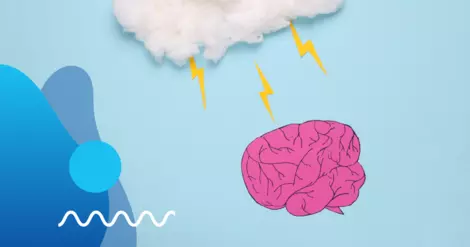
Functional neurological disorder affects how neural networks (networks of nerve cells) work inside your brain and throughout your body. FND doesn’t change anything about your brain’s structure, but by altering signals between brain cells and nerves, it can cause a wide variety of symptoms that impact everyday life.
FND affects the way the brain sends and receives signals, which can lead to behavioral problems, movement problems, speech difficulties, and strokelike episodes. Symptoms can last for a long time or only a little while.
The exact prevalence of FND is unknown, but research suggests it may be as common as multiple sclerosis or Parkinson’s disease, each of which affects a few people per 1,000 in the United States. One report found that up to one-third of people who visited outpatient neurological clinics had symptoms that aligned with FND.
FND seizures are the most common type of nonepileptic seizures (NES). Sometimes called nonepileptic attacks, functional seizures, psychogenic seizures, or dissociative seizures, they usually start sometime during a person’s late 20s.
Compared to seizures in epilepsy, FND seizures tend to have different convulsive movements and may last longer. They may also occur often in a person who appears to be perfectly healthy otherwise.
Unlike epileptic seizures, functional seizures don’t occur because of abnormal electrical activity inside the brain. They can be a physical manifestation of difficult or painful thoughts or feelings, though in many cases, they don’t have a clear cause.
FND seizures have had many names, but some of them are either being phased out or no longer used.
They were previously known as pseudoseizures, but health experts don’t use this term anymore because it can imply that the seizures aren’t real or that they’re being faked.
Many health experts also no longer use names for FND seizures that reference epilepsy, such as nonepileptic attacks. Terms like “functional seizures” or “dissociative seizures” are preferred because they tell you what the seizures are instead of what they’re not.
 How FND Seizures Are Diagnosed
Functional seizures are typically diagnosed by neurologists or psychiatrists. FND is a neurological condition, although psychiatric symptoms or conditions may also occur alongside it. For this reason, you might be referred to a psychiatrist about FND seizures and other symptoms.
Because functional seizures aren’t well understood, they can also be difficult to diagnose. They can appear similar to epileptic seizures in many ways and may be misdiagnosed as epilepsy at first.
After evaluating you with a physical exam and reviewing your symptoms, your doctor may use specific tests to check for epilepsy or other possible causes of your episodes. They can use the following tests to rule out other causes while evaluating your seizures:
Blood TestsBlood tests may be used to check your blood glucose (sugar) levels, because low levels can cause seizures. Your doctor can check if your blood work is normal or if any other clues point to a cause of your seizures. They also may check serum creatine kinase levels, which are often elevated after a seizure.
ElectroencephalogramYour doctor might use an electroencephalogram (EEG) to monitor your brain’s electrical activity. EEGs can help a doctor determine if a person has epilepsy or to rule it out as a cause of seizures.
Brain Imaging TestsBrain scans or imaging tests such as CT scans or MRI scans produce images of the brain. A doctor might use these to check for structural abnormalities that cause seizures or to rule them out.
 Managing Functional Neurological Disorder
Unlike epileptic seizures, FND seizures won’t respond to treatment with anti-seizure medications.
If you’ve been misdiagnosed with epilepsy and already take anti-seizure medications, your doctor will likely wean you off of them while planning a more appropriate treatment for your FND. If you have FND and epilepsy at the same time, your doctor might tell you to continue treatment with anti-seizure medications.
To treat your functional seizures, your doctor might recommend or prescribe one or more of the following.
Cognitive behavioral therapy (CBT) is the main evidence-based treatment for FND and the seizures that it can cause. A form of psychotherapy, CBT focuses on helping you evaluate how you think and behave so you can mindfully change your thoughts, responses, and behaviors.
When undergoing CBT for FND, your therapist may focus on helping you identify the thoughts, memories, or situations that most often trigger your functional seizures. From there, you can develop coping skills for dealing with those thoughts or situations in the future, including relaxation techniques to regulate your mind and body.
In some cases, mental health providers may recommend other forms of psychotherapy for FND. These include:
CBT and other forms of psychotherapy can also help you manage related conditions like depression or PTSD.
Taking medications for conditions related to FND, such as depression or anxiety, may help manage your seizures. For example, your doctor might prescribe antidepressants to help lessen the symptoms that trigger your seizures.
Accepting your FND diagnosis can be a vital part of learning to manage or prevent seizures. Fear or uncertainty about your seizures can itself trigger FND seizures, so learning about and accepting your diagnosis may help reduce those feelings.
On MyEpilepsyTeam, people share their experiences with epilepsy, get advice, and find support from others who understand.
Have you been diagnosed with FND? Let others know in the comments below.
Get updates directly to your inbox.




 Continue with Facebook
Continue with Email
Continue with Facebook
Continue with Email
Continue with Facebook
Continue with Email
Continue with Facebook
Continue with Email
Become a member to get even more





 Join
Join


 Your Privacy Choices

This is a member-feature!
Sign up for free to view article comments.
We'd love to hear from you! Please share your name and email to post and read comments.
You'll also get the latest articles directly to your inbox.