
Powered By



Seizures can be troublesome during sleep, especially because they can go untreated for so long. This can leave you feeling fatigued and irritable during the day. Some people with epilepsy find that their seizures are worse at night due to a sleep disorder called sleep apnea.
“Breathing and sleep had a lot to do with making my seizures worse,” one MyEpilepsyTeam member said. “Being tired from sleep apnea will definitely give you problems.”
Here’s what you need to know about the connection between sleep apnea and seizures.
Sign up to view the results!
 Continue with Facebook
Continue with Email
Continue with Facebook
Continue with Email
Obstructive sleep apnea (OSA) — the most common type of sleep apnea — is a sleep disorder that causes your breathing to stop and start while you’re sleeping. OSA is more common in people with neurological disorders, including epilepsy.
In fact, OSA affects more than one-third of people with epilepsy. Sleep apnea may have a two-way relationship with epilepsy. Not only can OSA affect brain health, but epilepsy can also increase the risk of sleep apnea.
Researchers have linked sleep apnea and epilepsy, but studies so far only show an association — not proof that sleep apnea directly causes epilepsy, or vice versa.
In one study of older adults, people whose oxygen levels dropped very low (below 80 percent) during sleep were more likely to develop epilepsy later in life. This doesn’t prove sleep apnea causes epilepsy. But it suggests low oxygen at night may be a warning sign.
Those who already have any form of sleep apnea are twice as likely to be diagnosed with late-onset epilepsy when they’re older.
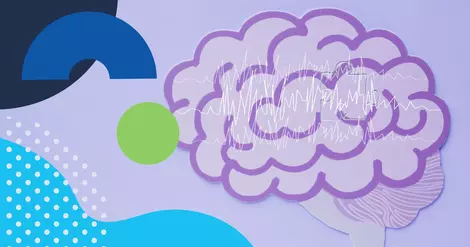
Both sleep apnea and seizures — particularly those caused by epilepsy — affect the part of your brain that controls your sleep and breathing.
 Lower Blood Flow
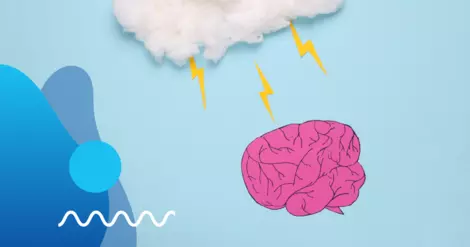
Researchers think that when people with obstructive sleep apnea experience changes in their oxygen levels and blood pressure during sleep, it can reduce blood flow and oxygen to the brain.
This can damage parts of your brain and may be the cause behind some disorders like stroke and epilepsy in people with sleep apnea. More research is needed to better understand this connection.
Poor Sleep QualityOSA can also make epilepsy or seizure activity worse. This is because sleep apnea disrupts your sleep-wake cycles. Poor-quality sleep and sleep deprivation can trigger seizures.
“Occasionally I have seizures in my sleep, and have just been diagnosed with sleep apnea,” one MyEpilepsyTeam member said. “They say this may be a reason behind these seizures.”
Weaker Upper Airway MusclesSeizures can also make your sleep apnea worse. Seizures can weaken the muscles found in your upper airway. This makes it easier for your airway to collapse when you’re sleeping, which worsens sleep apnea.
Certain MedicationsSome anti-seizure medicines or treatments may make sleep apnea worse by causing weight gain. If you’re concerned about your medication, discuss this with your healthcare provider.
If you have sleep apnea or another sleep disorder, your activity at night can mimic that of a seizure. This is because there’s an overlap in sleep apnea symptoms and signs of a seizure.
During sleep apnea, your breathing may briefly stop and oxygen levels may drop. Your brain then quickly wakes you up so that your breathing can restart.

Seizures can also affect breathing, sometimes causing pauses or irregular breathing patterns during or after an episode.
OSA may cause you to have symptoms that sometimes resemble those of someone having a nocturnal seizure (seizure during sleep). Overlapping symptoms include:
To someone who sees this behavior, it may be hard to distinguish between a seizure and symptoms of sleep apnea. This is especially true if it happens repeatedly or abruptly.
Likewise, if you experience night terrors, sleep paralysis, or sleep-related hallucinations, these can be confused with seizures. This is often because they can cause a person to shout, make strange movements, or wake up confused or disoriented. Similar to seizures, these sleep disruptions can be triggered by sleep apnea.
Sleep paralysis, in particular, is often confused with seizures. That’s because the sleep paralysis symptoms can also resemble nocturnal seizures, including:
The gold standard of care for OSA is a continuous positive airway pressure (CPAP) device. A CPAP device is a machine that delivers a steady stream of pressurized air through a mask to help keep the airway open during sleep. There are other options available for people who can’t use a CPAP or don’t experience enough improvement with it.
There’s some evidence that CPAP therapy could reduce seizure-like behavior. One study found that people treated for OSA were more likely to experience a 50 percent reduction in seizures compared with those who weren’t treated for sleep apnea.

Keep in mind, however, that CPAP therapy doesn’t replace any epilepsy treatment your neurologist has prescribed. Always stay on your epilepsy treatment plan as directed by your doctor.
“I was diagnosed with sleep apnea after my first seizure and given a CPAP,” one MyEpilepsyTeam member said. Another replied, “I was told sleep apnea can lead to seizures and have been trying to use it since last year.”
SUDEP (sudden unexpected death in epilepsy) is a major cause of death in people with epilepsy. In many studies, the majority of SUDEP cases happen during sleep. This is one reason doctors pay close attention to sleep problems in people with seizures.
That’s why some health experts think treating sleep disorders is an opportunity for addressing epilepsy that shouldn’t be overlooked. This is especially important in people who don’t respond well to other seizure treatment options.

If you have epilepsy and you get poor-quality sleep, talk to your neurologist. Sleep apnea treatment could improve your life and well-being and reduce the number of seizures you’re having. At the same time, preventing seizures by following your epilepsy treatment plan can improve sleep quality.
Your neurologist may refer you to a sleep medicine specialist if they think you have sleep apnea. These medical professionals can evaluate your symptoms during a sleep study.
If they find that you have apnea, they’ll work with your neurologist to create an OSA treatment plan that won’t interfere with your epilepsy treatment.
 On MyEpilepsyTeam, people share their experiences with epilepsy, get advice, and find support from others who understand.
Have you ever experienced nighttime seizures? Did your doctor test you for sleep apnea? Let others know in the comments below.
Get updates directly to your inbox.



 Continue with Facebook
Continue with Email
Continue with Facebook
Continue with Email
Continue with Facebook
Continue with Email
Continue with Facebook
Continue with Email
Become a member to get even more




 Join
Join


 Your Privacy Choices

This is a member-feature!
Sign up for free to view article comments.
I tried around two years for pap therapy and could not tolerate. Use positional therapy and if there is anything else out there let me know. Mouth devices not appropriate for me and Inspire has its… read more
We'd love to hear from you! Please share your name and email to post and read comments.
You'll also get the latest articles directly to your inbox.