Connect with others who understand.

  •   Learn from expert-reviewed resources
  •   Real advice from people who’ve been there
  •   People who understand what you’re going through
Sign Up Log In
Powered By
Real members of MyEpilepsyTeam have posted questions and answers that support our community guidelines, and should not be taken as medical advice. Looking for the latest medically reviewed content by doctors and experts? Visit our resource section.

I would really love to hear experiences, what I should I expect, and any tips or tricks that can make the appointment go smoother or easier?

Thank you so much in advance!!

August 29
 · 
Reactions
A MyEpilepsyTeam Member

Thank you so much! I was thinking of something similar. I am gonna think of it as a time to shut off from the world and just be with me.. and all the physicians scanning my brain and body hahaha!

August 30
A MyEpilepsyTeam Member

If you’re going to be doing your EEG in the Hospital for 2 or more days, you might want to pack a leisure bag.
1. A book or novel
2. Puzzle / game books
3. Your iPad or Cellphone
4. Deck of playing card
And other things you may like to do, solitary .

August 29
A MyEpilepsyTeam Member

I am actually very excited, I've been fighting for answers for a long time! I have to check in at 7:30pm and leave 3-4pm the following day!

August 29
MyEpilepsyTeam

How exciting (well, as exciting as medical tests can be!) that you're getting these done in October — being prepared can really make a big difference. Here's a general breakdown of what to expect:

A video-EEG records your brain's electrical activity while a camera monitors you for any seizure activity. It's painless Show Full Answer


How exciting (well, as exciting as medical tests can be!) that you're getting these done in October — being prepared can really make a big difference. Here's a general breakdown of what to expect:

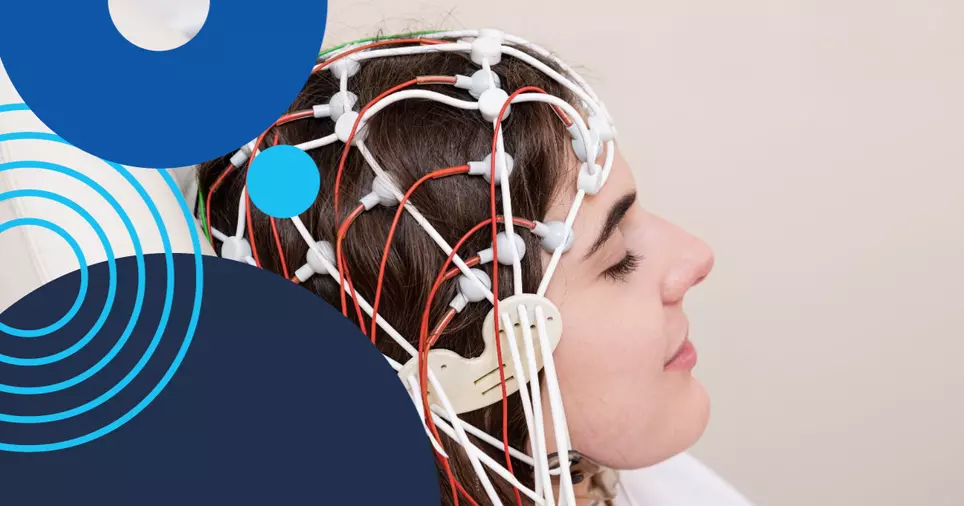
A video-EEG records your brain's electrical activity while a camera monitors you for any seizure activity. It's painless! Electrodes are placed on your scalp using a paste or glue, and the test typically runs for 20–40 minutes, though the whole process can take up to 90 minutes.

A PSG (polysomnography) monitors your sleep overnight, while the MSLT (Multiple Sleep Latency Test) follows the next day to measure how quickly you fall asleep during scheduled naps. Here are some tips to help things go smoothly:

- Wash your hair the night before and skip all hair products (gels, creams, sprays) on the day of — this helps the electrodes attach properly
- Tell your doctor about all medications you're taking beforehand, as they may have specific instructions
- Follow any special instructions your doctor gives, like staying awake the night before if they need you sleep-deprived
- Bring a notebook to jot down any questions or observations
- Bring a support person if allowed — having someone with you for emotional support and to help remember information is really valuable
- Let the technician know if you start feeling any seizure symptoms during the test

The glue used for electrodes may need washing out of your hair afterward, so plan for that! You can usually return to normal activities right after. Many MyEpilepsyTeam members find that going in well-rested (unless told otherwise), hydrated, and fed helps them feel more alert and calm during these appointments.

Don't hesitate to ask the technician questions along the way — they do these tests all the time and are there to help make you comfortable! 💛

August 29

Related Questions

View All
A MyEpilepsyTeam Member asked a question 💭
Yankton, SD

A MyEpilepsyTeam Member asked a question 💭
Yankton, SD

A MyEpilepsyTeam Member asked a question 💭
Lakeville, MA