PA, it has been more than 6 months with no seizures, and the doctors have to give permission. Then you have to fight the system. After my brain surgery and being over 3 years seizure-free, I applied, and Penn-dot told me that this was a life sentence and I could not have them back. I had to have two different doctors approve it and then do a behind-the-wheel. Then, pay off fines that were from almost 15 years ago, when I had a seizure as I was driving, to make getting the license back again impossible, because I was on disability income. I finally got it back. I have been driving for eight years. Never give up. Just be careful and be sure that you are seizure-free, because if you have one, you will be held responsible for anything you do.
December 10, 2025
Check with your state laws dealing with driving /Epilepsy. Every state is different. But it also depends on your Dr. too.
December 8, 2025
How can someone achieve better seizure control when medication alone isn't providing complete freedom from seizures?
It's encouraging that your current medication has reduced your seizure frequency! Having your first breakthrough seizure after 3 months shows the medication is helping, even if it hasn't achieved complete Show Full Answer
How can someone achieve better seizure control when medication alone isn't providing complete freedom from seizures?
It's encouraging that your current medication has reduced your seizure frequency! Having your first breakthrough seizure after 3 months shows the medication is helping, even if it hasn't achieved complete seizure control yet.
Many people need adjustments to find what works best. Here are some common next steps:
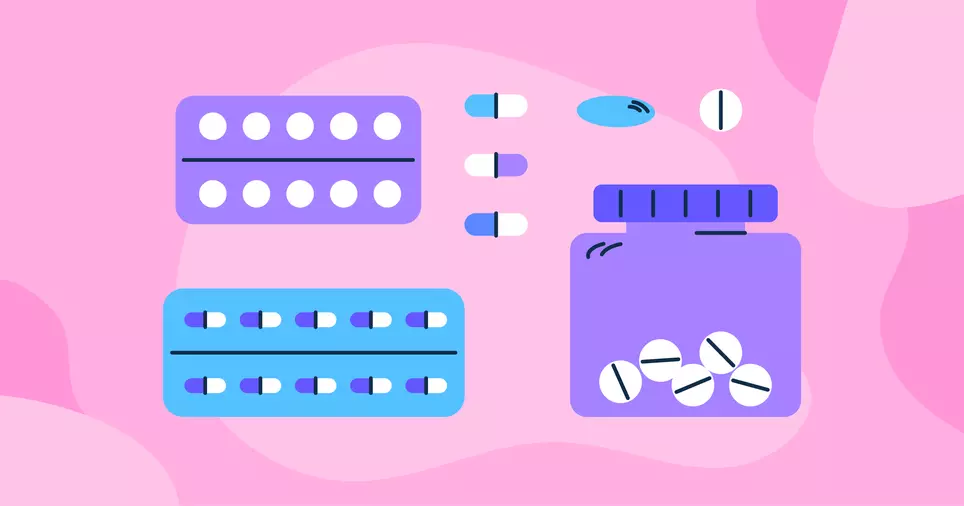
* Your doctor may adjust your medication dosage to find the optimal level for seizure control
* You might need to try a combination of seizure medications rather than just one
* Some people need to experiment with different medications, as everyone's brain chemistry is unique
One study found that 44 percent of people didn't respond fully to their first treatment, but 75 percent of those individuals achieved 12-month remission within six years with medication adjustments. Since you mentioned RNS (Responsive Neurostimulation), this could be an option worth discussing with your neurologist if medication adjustments don't provide the seizure freedom you're seeking. Medical devices can serve as additional treatment for some people.
It's also important to manage potential seizure triggers alongside medication:
* Get consistent, adequate sleep
* Reduce stress levels through coping skills or counseling
* Limit alcohol intake
* Take medications at the same time each day
* Stay hydrated and treat illness early
The goal of becoming seizure-free enough to drive is absolutely achievable for many people with the right treatment plan.
December 8, 2025






 Join




 Your Privacy Choices
