What should you ask before starting your second ambulatory EEG with a history of brief random discharges?
Great that you're preparing questions ahead of time! Here are some helpful things to ask your doctor:
About Your Previous Results
- What do the brief random discharges from your first EEG mean for your epilepsy Show Full Answer
What should you ask before starting your second ambulatory EEG with a history of brief random discharges?
Great that you're preparing questions ahead of time! Here are some helpful things to ask your doctor:
About Your Previous Results:
- What do the brief random discharges from your first EEG mean for your epilepsy management?
- Have these discharges changed how they view your seizure activity?
About the Upcoming Test:
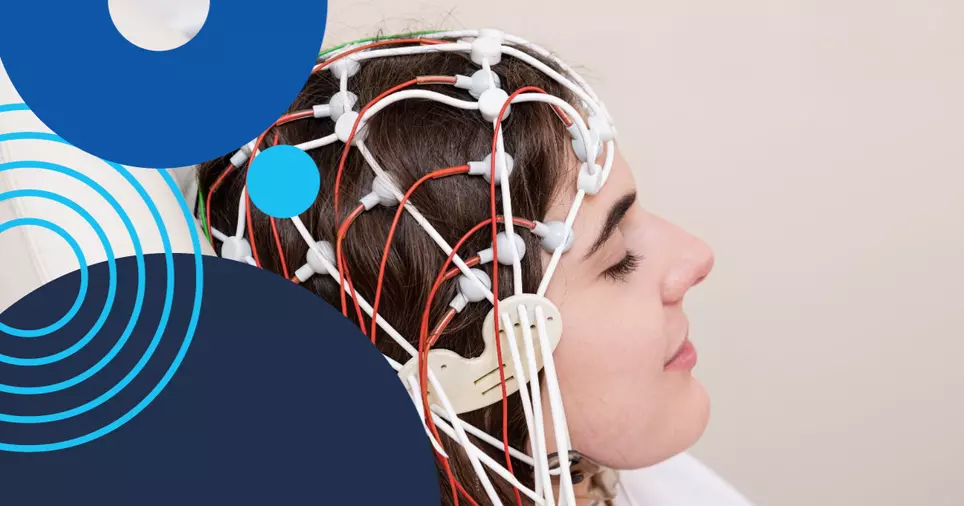
- How long will you wear the ambulatory EEG this time (typically 24 hours to 3 days)?
- Should you try to trigger seizure activity in specific ways during the test?
- Can you continue your normal daily activities while wearing the equipment?
About Follow-Up:
- When will you get the results?
- What changes in treatment might they consider based on the findings?
- Could these discharges explain any symptoms you've been experiencing?
Since ambulatory EEGs record for longer periods than standard EEGs, they have a better chance of catching seizure activity that might have been missed before. This is especially valuable since your first test showed some abnormal activity.
Make sure to keep a detailed log of any symptoms or unusual feelings during the monitoring period, as this helps match your experiences with the brain activity being recorded.
December 1, 2025
Good post, I agree with the ai mentioned about it and other people's opinions here, but also mention what ever comes to you you think is important to you, my opinion
December 1, 2025
I think that the most important thing from my perspective is to keep a log/diary of any precursors that you're feeling. You've probably already heard this. I have an RNS, which pretty much gives me a permanent EEG. My epileptologist is most concerned about symptomatic seizure activity, meaning I feel the seizures coming on or happening.
I'm curious about why they're doing a second round with you?
December 1, 2025





 Join





 Your Privacy Choices
