
Powered By



Focal impaired awareness seizures (FIAS), formerly called psychomotor seizures, among other names, are a type of seizure that involves reduced awareness or consciousness.
Focal impaired awareness seizures are the most common seizure type in adults with epilepsy. They account for a large proportion of drug-resistant focal epilepsy cases.
If a loved one is having a focal impaired awareness seizure, you might think they’re simply acting out of character — you might not recognize it as a seizure at all. They might stare straight ahead for the duration of the seizure or even laugh or cry.
Focal impaired awareness seizures can involve a wide range of symptoms, and they might not look the same every time.
To help you and your loved ones better understand focal impaired awareness seizures and best strategies for managing them, we’ve created a list of 13 key facts about them.
Keep reading to find out everything you should know about focal impaired awareness seizures.
Focal impaired awareness seizures are also called complex partial seizures or focal impaired consciousness seizures. These are modern names for what was previously called a psychomotor seizure or limbic seizure.
Psychomotor seizure is considered an outdated term now. Health experts prefer the term focal impaired awareness seizure because it classifies the seizure type and its features more accurately.
“Focal” describes the area of origin for the seizure — focal seizures start in one area of the brain, though they might spread to others. The terms “impaired awareness” or “impaired consciousness” describe the person’s level of awareness during the seizure (which in this case is reduced).
Most focal impaired awareness seizures start in the temporal lobe, which is the part of the brain located on the side of your head. Because of this, focal impaired awareness seizures are considered a common symptom of temporal lobe epilepsy (TLE).
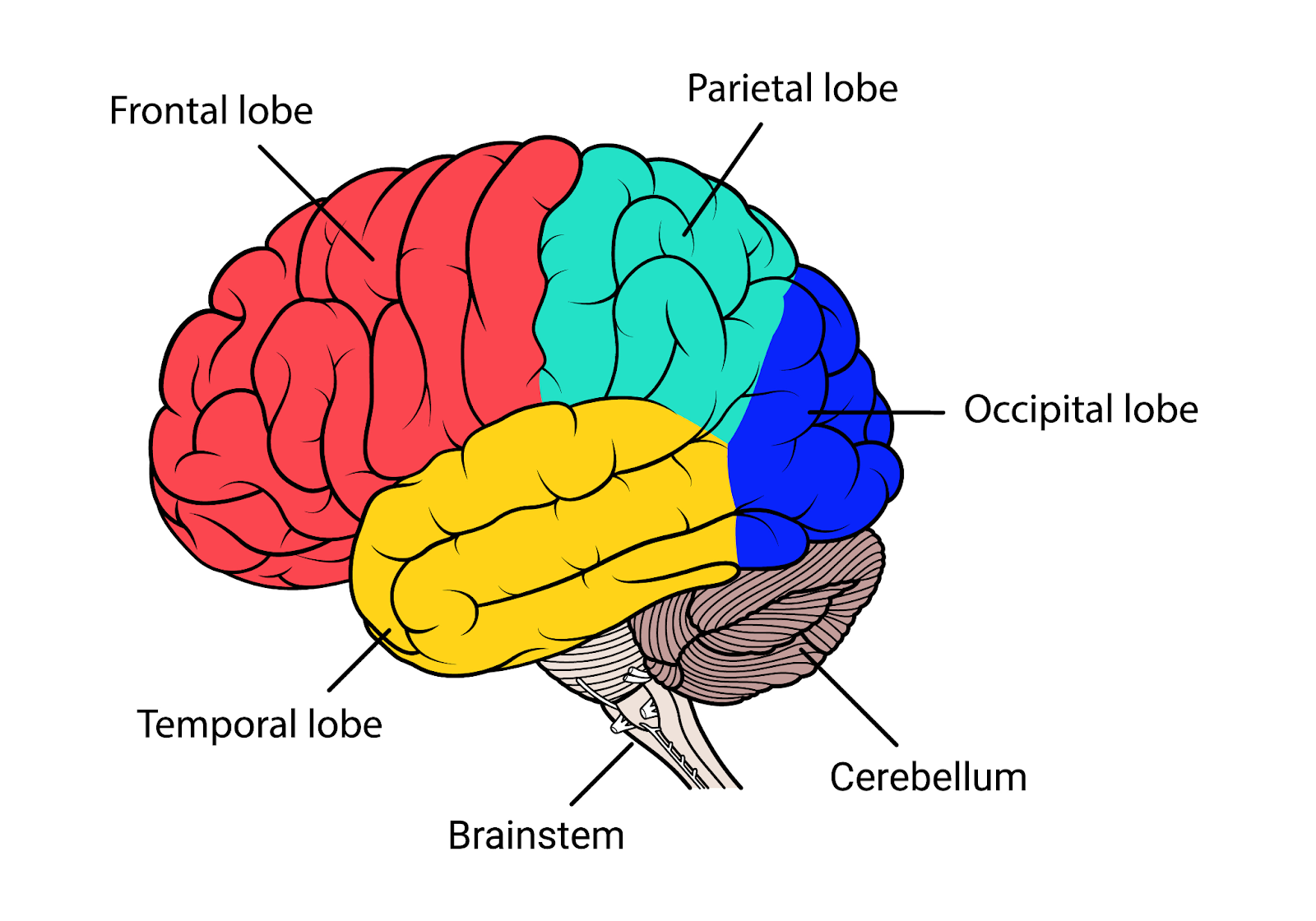
At least 10 percent to 30 percent of focal awareness seizures start in other parts of the brain. The frontal lobe is the most common area for focal impaired awareness seizures that start outside of the temporal lobe.
Compared to focal impaired awareness seizures that start in the frontal lobe, focal impaired awareness seizures that start in the temporal lobe tend to develop more slowly. Also, confusion during the seizure tends to be worse.
Roughly 60 percent of focal impaired awareness seizures spread to both sides of your brain. When focal seizures do this, they’re also called focal to bilateral seizures.
To be considered a focal impaired awareness seizure rather than a generalized seizure, the seizure must begin on one side before spreading. Generalized seizures start in multiple parts of the brain and can involve a loss of consciousness.
As suggested by their name, focal impaired awareness seizures involve reduced awareness or consciousness. This means that a person who is having a focal impaired awareness seizure may appear confused or unresponsive. If you try to talk to them, they may not acknowledge or respond to you.
While reviewing the details of a seizure, heath experts define awareness and responsiveness as follows:
Some symptoms of focal impaired awareness seizures are automatisms, which are involuntary movements. These movements might look odd or unusual because they’re movements the person wouldn’t normally make.
Automatisms during a focal impaired awareness seizure from the temporal lobe might include:
Occasionally, movements during a focal impaired awareness seizure can be embarrassing or even dangerous. For example, a person might take off their clothes in public, touch themself inappropriately, or wander into a busy road.
The usual duration is anywhere from 30 seconds to two to three minutes.
After the seizure, there can be confusion, disorientation, fatigue, and difficulty speaking or swallowing for several minutes, often with no memory of the event.
Some people who experience focal impaired awareness seizures experience an aura for several seconds or minutes before the seizure reduces their consciousness.
An aura can involve sounds, visual disturbances, or sensations that indicate that a seizure is about to start, which might include:
From the outside, a focal impaired awareness seizure may not look like a seizure at all. You might see your loved one staring straight ahead and assume they’ve zoned out or are daydreaming.
Some automatisms might look like normal or intentional movements. However, if you try to talk to the person having a seizure, they may not respond normally or at all. In some cases, the person might not be able to move when prompted.
A person having a focal impaired awareness seizure may also not realize they’re having a seizure. If these seizures happen while a person sleeps, for example, they may wake up without realizing that anything unusual has occurred.
It’s also common for people to not remember anything that happened during their focal impaired awareness seizure. A person may have trouble remembering events from just before and after the seizure too.
Some people experience focal impaired awareness seizures without a clear underlying cause. In others, the seizures can be linked to a past brain injury or a structural abnormality in the brain.
You may be at a higher risk of focal impaired awareness seizures because of:
In many cases, no clear structural cause is found on imaging.
While the cause of seizures is often unknown, some focal impaired awareness seizures occur after a person has encountered a trigger or provoking situation.
Possible triggers for focal impaired awareness seizures include:
There isn’t a single test for TLE or focal impaired awareness seizures. Instead, doctors collect information using multiple tests to evaluate brain activity. Diagnosing focal impaired awareness seizures might involve:
The differential diagnosis includes absence seizures, syncope, panic attacks, psychogenic nonepileptic seizures, and metabolic or neurologic events.
Focal impaired awareness seizures are often manageable with anti-seizure medications, which are considered the main treatment.
More than half of people with focal impaired awareness seizures need more than one anti-seizure medication to control their seizures. Doctors choose medications carefully to ensure that they won’t negatively interact with each other or any other medications the person takes.
When seizures aren’t controlled after trying two to three anti-seizure medications, they’re considered refractory. For refractory seizures, doctors might recommend:
Some children with refractory focal impaired awareness seizures benefit from adopting a ketogenic diet. The keto diet is a high fat and low carb eating plan that includes controlled amounts of protein. Talk to your doctor about how to best implement this eating pattern for your child.
On MyEpilepsyTeam, people share their experiences with epilepsy, get advice, and find support from others who understand.
What else have you noticed about focal impaired awareness seizures and their symptoms? Let others know in the comments below.
Get updates directly to your inbox.


 Continue with Facebook
Continue with Email
Continue with Facebook
Continue with Email
Continue with Facebook
Continue with Email
Continue with Facebook
Continue with Email
Become a member to get even more





 Join
Join



 Your Privacy Choices

This is a member-feature!
Sign up for free to view article comments.
We'd love to hear from you! Please share your name and email to post and read comments.
You'll also get the latest articles directly to your inbox.