
Powered By



When a child is diagnosed with Lennox-Gastaut syndrome (LGS), many parents wonder: Was this caused by a gene passed down in our family? The short answer is: LGS is sometimes due to an inherited gene, but not usually.
LGS is a severe form of childhood epilepsy. Understanding how this type of epilepsy arises in young children can help families better understand their genetic risk factors for seizure disorders. In this article, we discuss how (and how often) LGS is influenced by inherited genetics and what this means if you have a child with LGS.
According to the LGS Foundation, there are many possible causes of LGS. Seventy percent of the time the cause is known. Known causes and risk factors for LGS include:
Many children with these risk factors never develop Lennox-Gastaut syndrome. It isn’t known why some people with these risk factors develop LGS while others don’t.
In 30 percent of cases, the cause of LGS is unknown. These cases, the National Organization for Rare Disorders suggests, may be caused by genetic factors that haven’t been fully identified. Your child’s doctor may recommend genetic testing to help identify genetic changes potentially related to the syndrome.
Yes. Researchers recognize that LGS can sometimes result from a combination of factors — for example, a genetic change that makes a child prone to developing the syndrome plus a brain injury in early childhood that triggers seizures to start.
In some children, a gene change may make the brain more likely to develop seizures. In others, an outside environmental factor, such as oxygen loss or infection, may trigger seizure activity. Sometimes both genetic and environmental influences play a role.
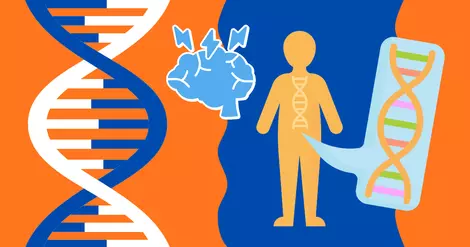
Most cases of LGS are sporadic, which means they occur in people with no family history of the disorder. While certain genetic variations are commonly associated with LGS, these genetic abnormalities usually occur de novo (at random) during the combination of egg and sperm or as a baby develops in utero.
However, somewhere between 3 percent and 30 percent of people with LGS have a family member with epilepsy. This indicates there may be some inherited gene variants involved in Lennox-Gastaut syndrome.
In other words:
Researchers estimate that a significant portion of LGS cases have an underlying genetic cause. Advances in genetic testing have identified gene variants in many children with LGS, especially when no structural brain injury is found.
Certain genetic conditions, like tuberous sclerosis complex (TSC) and inherited metabolic disorders, pose an increased risk for LGS. However, not everyone with these conditions has LGS, and most people with LGS don’t have these conditions.
Genetic testing can be useful in choosing between treatment options. When a genetic variant is found, most are:
That being said, there are rare inherited cases, depending on the specific gene involved.
LGS is considered genetically complex. Several genes have been linked to it, particularly those involved in brain signaling and development. There are over 50 gene changes that have been linked to LGS, and many more that haven’t been discovered yet.
Changes to certain genes have been linked to an increased risk for LGS. These include:
Not everyone with changes to these genes will have LGS. It only means that having the genetic variant is a risk factor for developing the condition.
For gene changes that are linked to family history, the inheritance pattern (the way genes are passed down) depends on the specific gene involved. Below are some examples of possible inheritance patterns.
In the autosomal dominant pattern of inheritance, only one copy of a changed gene is needed to cause a disease. One example of an autosomal dominant gene change that’s related to LGS is tuberous sclerosis complex. A parent with the gene has a 50 percent chance of passing it to each child. However, in LGS, many autosomal dominant mutations are spontaneous and weren’t passed down from parents.
Certain gene changes that cause LGS are inherited in an autosomal recessive pattern of inheritance. In order to get the disease, a child would have to receive one genetic variant from each parent. A person with an autosomal recessive disease requires both copies of their gene to be changed.
Certain genes associated with LGS are located on the X chromosome. In X-linked inheritance, boys may be more severely affected because they only have one X chromosome. Girls have two, which can sometimes reduce the effect of the variant.
For many parents raising children with LGS, this is the most pressing question.
If the underlying cause of your child’s LGS was a brain injury or infection, the risk of a future child developing LGS isn’t increased. If LGS is found to be due to a spontaneous gene change, the rate of LGS occurring in another child is very low. If your child’s LGS is found to be due to an inherited variant, the risk to a future child depends on the specific gene and its inheritance pattern.
If you’re concerned about passing seizure-related genes to future children, consider speaking with a genetic counselor.
A genetic counselor can:
Even if your child has a genetic variant that was spontaneous, getting an expert opinion from a counselor can help confirm that the recurrence risk is low and provide reassurance.
If you have questions about your family’s risk, talk with your child’s neurologist or a genetic counselor. Getting accurate information from healthcare professionals can help you move forward with clarity and confidence about your family’s future.
On MyEpilepsyTeam, people share their experiences with epilepsy, get advice, and find support from others who understand.
Do you have family members with LGS or another form of epilepsy? Let others know in a comment below.
Get updates directly to your inbox.


What causes thr dramatic mood changes?


 Continue with Facebook
Continue with Email
Continue with Facebook
Continue with Email
Continue with Facebook
Continue with Email
Continue with Facebook
Continue with Email
Become a member to get even more





 Join
Join


 Your Privacy Choices

This is a member-feature!
Sign up for free to view article comments.
My daughter was never diagnosed with it until she started declining & recessing. I was researching & praying for answer's. It came up on my phone & after i read the symptoms it described my daughter… read more
We'd love to hear from you! Please share your name and email to post and read comments.
You'll also get the latest articles directly to your inbox.