
Powered By


When a doctor tells you your child has developmental and epileptic encephalopathy — or DEE — it can feel like the ground is giving way. But parents who’ve been there often say the same thing: Knowing more helped them advocate better and find the community they needed.
In this article, we’ll cover what you need to know about DEE, including what it is, how common it is, what causes it, what symptoms and challenges it can bring, and how it’s treated.
According to the Epilepsy Foundation, DEE isn’t a single disease. It’s a group of severe epilepsies in which seizures are frequent, often drug-resistant, and the underlying condition itself interferes with a child’s brain development.
DEE is usually diagnosed in childhood, but many people with the condition live into adulthood. Improved genetic testing is also helping some adults obtain more accurate diagnoses.
DEE is rare, but it’s more common than many people realize. Diagnoses are rising. The estimated rate in children under 16 is about 169 per 100,000 — roughly 1 in every 590 children.
In one large European study, diagnoses based on genetic testing increased more than tenfold between 2012 and 2022. That’s not because DEE became more common — it’s because doctors got better at identifying the genetic causes behind it.
Most cases of DEE are linked to differences in how the brain develops and works, which can be influenced by genetic changes, brain structure, and metabolism.
Identifying the specific cause of DEE matters because it can point to the most effective treatment and help families understand what to expect.
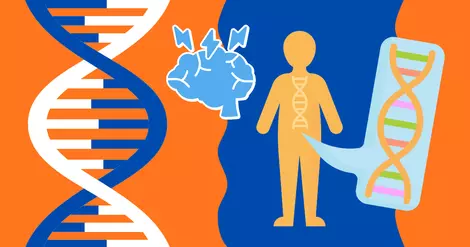
Genetics account for as many as half of all DEE cases. More than 800 epilepsy-linked genes have been found, and about 90 percent are tied to DEE. Genes like SCN1A, which is linked to Dravet syndrome, KCNQ2, and SCN2A are among the most commonly identified.
Most genetic epilepsies arise from “de novo” variants — changes that appear spontaneously during early development rather than being inherited. So if your child has a genetic DEE, it doesn’t mean that you passed it to them or that siblings are at high risk for the condition.
Some children have differences in how their brain formed before birth. Structural changes can trigger chronic, hard-to-control seizures. Examples of structural changes that can lead to DEE include:
Less commonly, DEE results from a metabolic disorder in which the body can’t produce a substance cells need or properly remove a toxic waste product. These cases sometimes respond well to targeted treatments, such as specific supplements or special diets.
DEE is an umbrella term covering many well-known severe epilepsy syndromes, including:
Childhood seizures are central to DEE. Seizures in DEE often start in the first year of life. They can include various seizure types, such as infantile spasms, tonic seizures, myoclonic seizures, or drop seizures.
In DEE, seizures frequently don’t respond well to medication. But DEE involves more than seizures.
Every child with DEE has some degree of developmental delay.
Two forces work against development:
If seizure control improves, the second component may improve, too. However, the first won’t improve even if seizures are well controlled. Delays can worsen significantly during periods of especially frequent seizures.
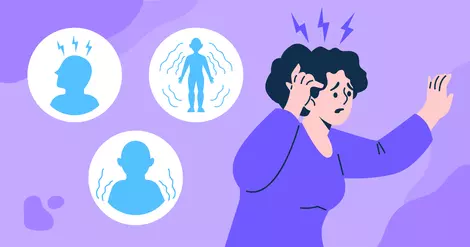
Many children with DEE also experience movement problems such as:
These nonseizure symptoms require different treatment from seizures.
It’s important to distinguish between seizures and movement disorders, but this can be difficult. Filming these movements on a phone to share with your child’s neurologist can help them make the right diagnosis.
A video EEG, which records both brain wave activity and video of the movements, may sometimes be needed to tell whether the episodes are seizures or a movement disorder.
Aspiration — when food, saliva, or stomach contents enter the lungs — is common and can lead to recurrent pneumonia.
Swallowing difficulties and gastroesophageal reflux (stomach contents coming back up) add to this risk. Some children need a feeding tube. Constipation from reduced mobility is also frequent.
Many people with DEE experience sleep difficulties, such as trouble staying asleep through the night, excessive daytime sleepiness, or sleep apnea.
Poor-quality sleep may make seizure control harder and can take a toll on caregivers and the whole family.
Children with DEE face an elevated risk of death.
A Cleveland Clinic analysis of 44 children with DEE found that 80 percent of deaths stemmed from non-SUDEP causes. More children died of respiratory failure than sudden unexpected death in epilepsy (SUDEP).
SUDEP is a real risk worth discussing with your child’s care team. But it’s important to understand that managing respiratory and other medical complications is also critical.
There’s no cure for DEE, but the right combination of therapies can meaningfully improve seizure control, development, and quality of life. Treatment is almost always tailored to the child’s seizure type, syndrome, and underlying cause.
Anti-seizure medications (ASMs) are almost always the first line of treatment. Because DEE is often drug-resistant, many children must try multiple medications over time to find what works.
In some genetic forms of DEE, certain medications can help control seizures, while others may make them worse. For example, a group of medications called sodium channel blockers can worsen seizures in people with Dravet syndrome. That’s why getting an accurate diagnosis is so important.
Cenobamate (Xcopri) is a newer ASM being studied in some DEE-related populations. It works via two pathways — blocking brain sodium channels and enhancing GABA, a natural calming chemical.
Real-world data in Lennox-Gastaut syndrome have been promising, although cenobamate is currently approved for adults with partial-onset seizures. Researchers are still investigating whether it’s safe and useful in children.
The ketogenic diet — a high-fat, very-low-carbohydrate diet that shifts the body into ketosis — is a well-established nonmedication option for drug-resistant epilepsy.
One study found that the ketogenic diet worked better than adjusting medications alone, helping children with DEE have fewer seizures, healthier wave activity on EEG, and better developmental progress. It’s worth asking your child’s healthcare provider if this or less restrictive dietary changes might be helpful.
When medications and diet aren’t enough, device-based therapies may help. Vagus nerve stimulation (VNS) therapy for epilepsy sends mild electrical pulses through a nerve in the neck to the brain.
Deep brain stimulation (DBS) for epilepsy uses implanted electrodes to target specific brain regions. Neither type of neurostimulation is a cure, but both can reduce seizure frequency and severity for some children.
If testing shows that most seizures originate from one brain area, surgery to remove that area may be an option. This is particularly true when DEE has a structural cause.
Health experts recommend getting a surgical evaluation after two medications have failed. Early surgery can prevent further neurological worsening in some people.
Physical, occupational, and speech therapy help children build and maintain skills, regardless of seizure control. Because DEE is rarely just a neurological issue, most children need a multidisciplinary team.
Cleveland Clinic study found that children who died of non-SUDEP causes averaged nearly three hospitalizations in their final year. This statistic shows how vital it is to proactively manage respiratory health and other medical conditions alongside seizure treatment.
Prognosis depends heavily on the underlying cause and varies widely from child to child. Some children improve significantly — especially when a structural cause is treated surgically or a metabolic cause responds to targeted therapy. Others face lifelong challenges despite excellent care.
As care for DEE improves, more children are surviving into adulthood. Many adults with DEE will continue to need treatment for neurological problems and supportive care throughout their lives. However, researchers still have much to learn about adults with DEE.
The goal for most families is to maximize what their child can do and minimize suffering. Having the right healthcare team — and plenty of support for the whole family — can help make that goal more possible.
On MyEpilepsyTeam, people share their experiences with epilepsy, get advice, and find support from others who understand.
Has your child been diagnosed with DEE? Let others know in the comments below.
Get updates directly to your inbox.




 Continue with Facebook
Continue with Email
Continue with Facebook
Continue with Email
Continue with Facebook
Continue with Email
Continue with Facebook
Continue with Email
Become a member to get even more





 Join
Join


 Your Privacy Choices

This is a member-feature!
Sign up for free to view article comments.
We'd love to hear from you! Please share your name and email to post and read comments.
You'll also get the latest articles directly to your inbox.