It sounds like the question is: "What does it mean for an epilepsy diagnosis if someone has both absence and focal seizures?"
Having both absence and focal seizures doesn't rule out epilepsy — it actually helps doctors better understand and classify it. Epilepsy can involve more than one seizure type, and this is more common Show Full Answer
It sounds like the question is: "What does it mean for an epilepsy diagnosis if someone has both absence and focal seizures?"
Having both absence and focal seizures doesn't rule out epilepsy — it actually helps doctors better understand and classify it. Epilepsy can involve more than one seizure type, and this is more common than many people realize.
Here's a quick breakdown of each type:
- Absence seizures — a type of generalized seizure where both sides of the brain are involved, often causing brief "blank staring" episodes
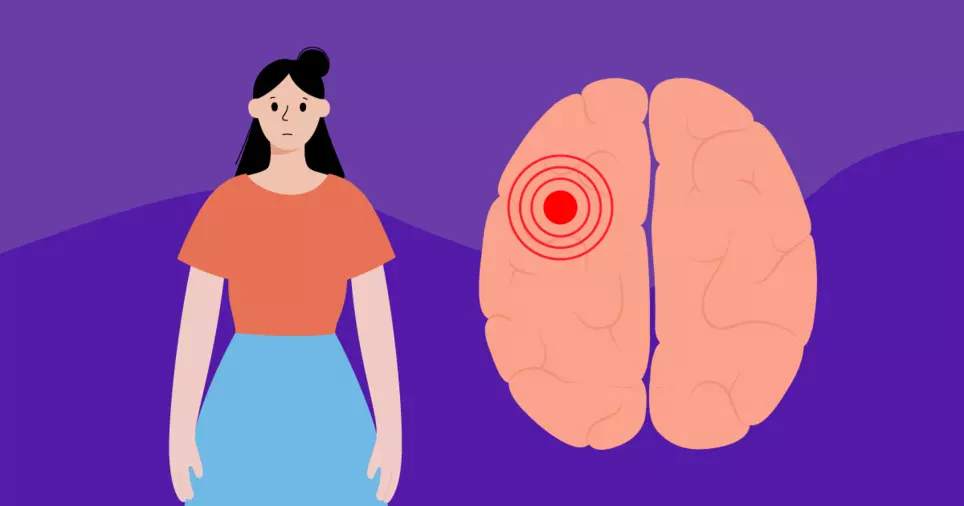
- Focal seizures — start in one specific area of the brain and can affect awareness or movement depending on the type What's interesting is that focal seizures can sometimes spread to involve both sides of the brain, which can look similar to a generalized seizure. Doctors use tools like EEGs and MRI scans, along with detailed descriptions of the seizures, to correctly identify what's happening.
Getting the classification right really matters because it directly shapes which treatments will work best. It's always worth discussing any changes in seizure patterns with a neurologist or epilepsy specialist.
AI-generated responses are not a substitute for medical advice. These services are not intended to
diagnose, treat, or cure any condition or disease. Always ask your doctor about specific health concerns.

Why Did Terms for Seizures Change?

Seizure Types
September 3








 Join



 Your Privacy Choices
