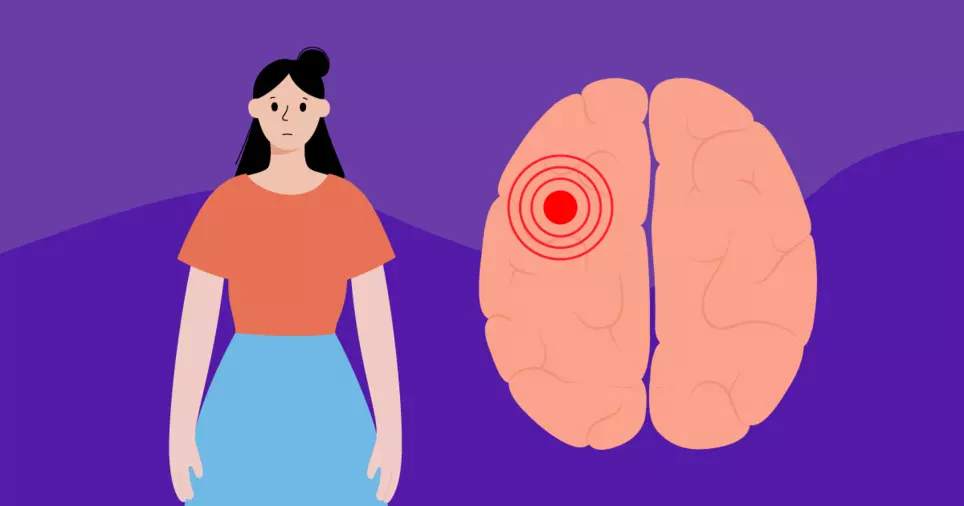
It sounds like life after a TBI with seizures can feel really overwhelming — and that's completely understandable. The combination of seizures and the emotional toll of a brain injury can make everyday tasks feel like climbing a mountain.
Research shows a real connection between mental health and seizure risk after a TBI Show Full Answer
It sounds like life after a TBI with seizures can feel really overwhelming — and that's completely understandable. The combination of seizures and the emotional toll of a brain injury can make everyday tasks feel like climbing a mountain.
Research shows a real connection between mental health and seizure risk after a TBI. People dealing with mental health challenges are more likely to experience seizures in the two years following a brain injury.
On top of that, stress and poor sleep can lower your seizure threshold, meaning they can make seizures more likely to happen. This creates a tough cycle where feeling low affects your seizures, and seizures affect how you feel. Here are some things that may help manage daily life:
- Mental health support — Working with a medical team that can recognize and treat emotional challenges alongside epilepsy is really important
- Sleep hygiene — Prioritizing good quality sleep can help reduce seizure risk
- Stress management — Finding ways to manage stress, even small ones, can make a difference
- VNS therapy — For seizures that are hard to control, Vagus Nerve Stimulation (VNS) has shown strong results for post-TBI epilepsy specifically, reducing seizures by up to 73% after two years
Talking openly with a neurologist or epilepsy specialist about both the seizures and the emotional impact is a really important first step. You don't have to manage all of this alone.
September 1






 Continue with Facebook
Continue with Email

 Join





 Your Privacy Choices
