Connect with others who understand.

  •   Learn from expert-reviewed resources
  •   Real advice from people who’ve been there
  •   People who understand what you’re going through
Sign Up Log In
Powered By
Real members of MyEpilepsyTeam have posted questions and answers that support our community guidelines, and should not be taken as medical advice. Looking for the latest medically reviewed content by doctors and experts? Visit our resource section.
A MyEpilepsyTeam Member asked a question 💭
Minneapolis, MN

A number of folks on here have seen me express frustration with my current autoimmune Dr (I have autoimmune epilepsy so have an epilepsy and autoimmune Dr). I started with a new autoimmune Dr and they want to do a 3 day EEG to ensure I'm not having night seizures and don't realize it. I spoke with their staff and asked about logistics and said it would be getting set up and then could stay at a hotel so I asked to do it closer to where I live so I could save money and have it at home. It was… read more

February 26
 · 
Reactions
A MyEpilepsyTeam Member

Actually I Was Offered An In Home EEG But Wasn't Interested. I Rather Be At The Hospital.

February 28
MyEpilepsyTeam

What are the benefits of inpatient versus ambulatory EEG for detecting nighttime seizures?

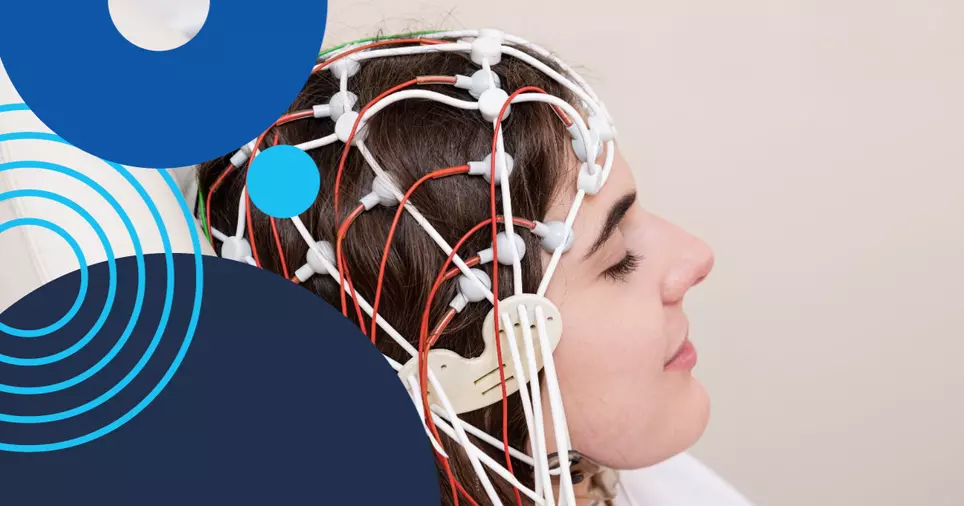
Both ambulatory and inpatient (video) EEGs can record brain activity over multiple days to catch seizures that might be missed during a standard EEG. The key difference is that inpatient video EEGs record both your brain waves and Show Full Answer

What are the benefits of inpatient versus ambulatory EEG for detecting nighttime seizures?

Both ambulatory and inpatient (video) EEGs can record brain activity over multiple days to catch seizures that might be missed during a standard EEG. The key difference is that inpatient video EEGs record both your brain waves and video/audio of your movements and behavior, which helps doctors see exactly what's happening during any seizure activity.

Ambulatory EEGs let you go about your normal routine at home with electrodes on your scalp and a small recorder on your waist. This can be more comfortable and cost-effective while still capturing extended brain activity.

Video EEGs done inpatient allow continuous monitoring in a controlled setting where staff can observe you directly. This can be especially helpful if doctors need to see the physical manifestations of potential seizures or rule out other conditions that mimic seizures.

Given your financial concerns and unemployment, it's completely reasonable to discuss the cost difference with your doctors. Ask them specifically why they feel inpatient monitoring is necessary in your case - is it because they need the video component, or is there another clinical reason? Sometimes doctors can work with you on alternatives or help justify medical necessity for insurance coverage.

You deserve to understand their reasoning before making this decision.

February 26
A MyEpilepsyTeam Member

Javonne, I agree with you. I have an pretty good insurance plan.

March 1
A MyEpilepsyTeam Member

@A MyEpilepsyTeam Member, The Ambulatory EEG

February 28
A MyEpilepsyTeam Member

Randy, I had the regular EEGs when in the Hospital, but when thpey glue the leads to my head. However, when I was being tested to see if I could have a Brain Surgery that would work, the leads we put in my head. Like you, i brought books, CDs to listen to, easy crossword puzzles. This is not a "Normal Life", but the ones done at home, at least for me was not normal either. I was unable to leave my room for the length of the test, which was I think 3 1/2 days.

After the Temporal Lobectomy I could not open my eyes, so the library sent me books to listen to.


February 27

Related Questions

View All
A MyEpilepsyTeam Member asked a question 💭
Coffman Cove, AK

Continue with Facebook
Continue with Google
By joining, you accept our Terms of Use, and acknowledge our collection, sharing, and use of your data in accordance with our Health Data and Privacy policies.
Already a member? Log In