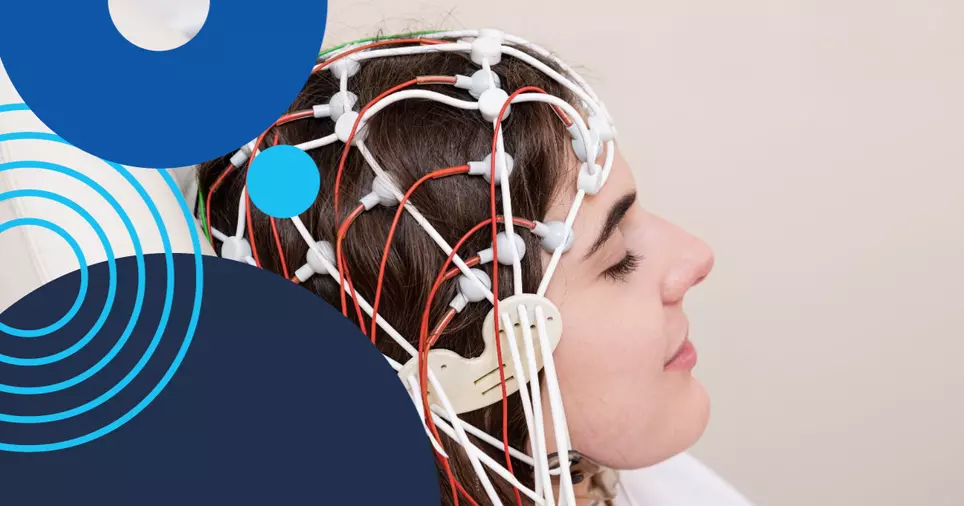
There isn't a single definitive test for diagnosing epilepsy - it typically requires multiple tests and evaluations. Having a normal EEG is actually quite common - about 50% of EEGs in people who experience seizures come back normal. This doesn't mean you don't have epilepsy; it just means no unusual brain activity was Show Full Answer
There isn't a single definitive test for diagnosing epilepsy - it typically requires multiple tests and evaluations. Having a normal EEG is actually quite common - about 50% of EEGs in people who experience seizures come back normal. This doesn't mean you don't have epilepsy; it just means no unusual brain activity was captured during that specific test period. The MRI you're scheduled for is an important next step. It will help evaluate your brain structure and can detect things like:
- Lesions
- Scarring
- Brain tissue abnormalities
- Other structural issues that might affect seizure activity
Your doctor may also recommend additional testing like:
- Extended EEG monitoring over several days
- Blood tests to check medication levels
- Neurological exams to assess thinking and motor skills
June 27, 2025







 Join




 Your Privacy Choices
