@A MyEpilepsyTeam Member
I’ve never had an issue with seizures and riding roller coasters but I have seen signs at roller coasters warning people about seizures.
Mentioned Users
 A MyEpile...
July 1
I’ve never had one occur while on a roller coaster ride before but it’s been a long time since I’ve actually been on a roller coaster ride. I haven’t been on one probably 15 to 20 yrs.
July 1
Yes, roller coasters can potentially trigger a seizure, though it varies from person to person. There's no universal answer — many people with epilepsy enjoy rides without issue, while others face higher risks.
Several factors at amusement parks can raise seizure risk, including:
- Flashing or bright lights
- Heat and Show Full Answer
Yes, roller coasters can potentially trigger a seizure, though it varies from person to person. There's no universal answer — many people with epilepsy enjoy rides without issue, while others face higher risks.
Several factors at amusement parks can raise seizure risk, including:
- Flashing or bright lights
- Heat and dehydration
- Loud noises and large crowds
- Excitement and stress
- Changes to your normal routine
- Lack of sleep
- The motion of the rides themselves A MyEpilepsyTeam member shared that their triggers include "flashing lights, overexertion, overheating, and high levels of stress mixed with lack of sleep" — all things that a theme park visit can bring on.
The best step is to talk with your neurologist before visiting a theme park. They can help weigh the risks based on your specific seizure history and triggers. If you do go, some helpful precautions include:
- Staying hydrated
- Getting plenty of sleep beforehand
- Taking medications on schedule
- Wearing a medical alert bracelet
- Keeping rescue medication accessible
- Locating the park's medical facilities when you arrive
AI-generated responses are not a substitute for medical advice. These services are not intended to
diagnose, treat, or cure any condition or disease. Always ask your doctor about specific health concerns.

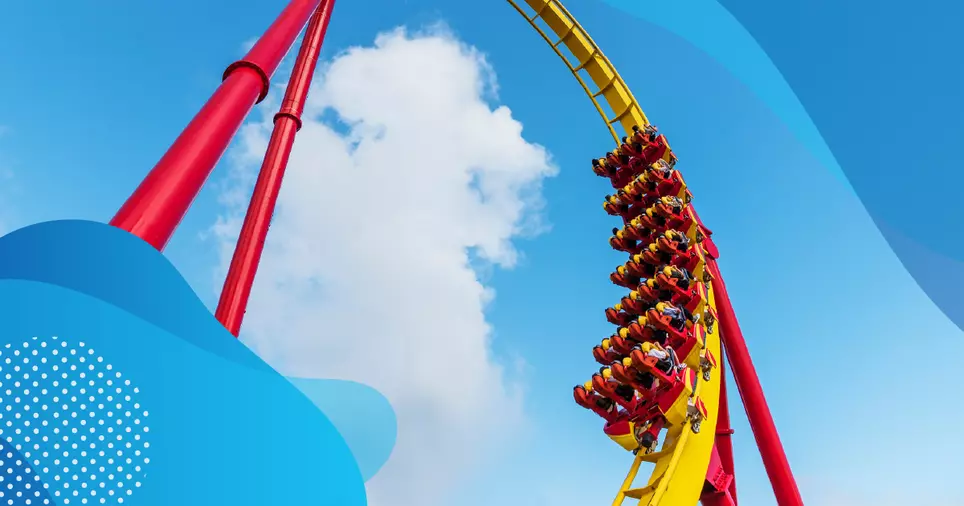
Riding Roller Coasters With Epilepsy: Is It Safe?
June 30
You’re welcome @A MyEpilepsyTeam Member .
Mentioned Users
A MyEpile...
July 1






 Join


 Your Privacy Choices
