I used to have seizures 2-3 days before or after my seizure started, and the seizures almost always occurred mid-day. After menopause, my seizures occur at any time during the month, and all of my seizures after menopause have been at night. My doctor thinks that the time of day could be due to hormonal changes.
December 3, 2025
What you're experiencing may be catamenial epilepsy, which affects about 42% of women with epilepsy. This type of epilepsy is closely linked to hormonal changes during the menstrual cycle. Seizures often increase during specific times, especially three days before and during menstrual flow, when progesterone levels are Show Full Answer
What you're experiencing may be catamenial epilepsy, which affects about 42% of women with epilepsy. This type of epilepsy is closely linked to hormonal changes during the menstrual cycle. Seizures often increase during specific times, especially three days before and during menstrual flow, when progesterone levels are lowest.
This happens because progesterone has anti-seizure effects, while estrogen can increase seizure activity. During perimenopause, these hormonal fluctuations can become more pronounced. Several treatment options are available to help manage hormone-related seizures:
• Hormonal therapy options like birth control or progesterone therapy
• Lifestyle modifications including:
- Regular daily exercise
- Stress reduction techniques
- Maintaining good sleep habits
- Following a consistent diet
- Tracking your cycle and seizure patterns
Always discuss any treatment changes with your healthcare provider to determine the best approach for your specific situation.
AI-generated responses are not a substitute for medical advice. These services are not intended to
diagnose, treat, or cure any condition or disease. Always ask your doctor about specific health concerns.

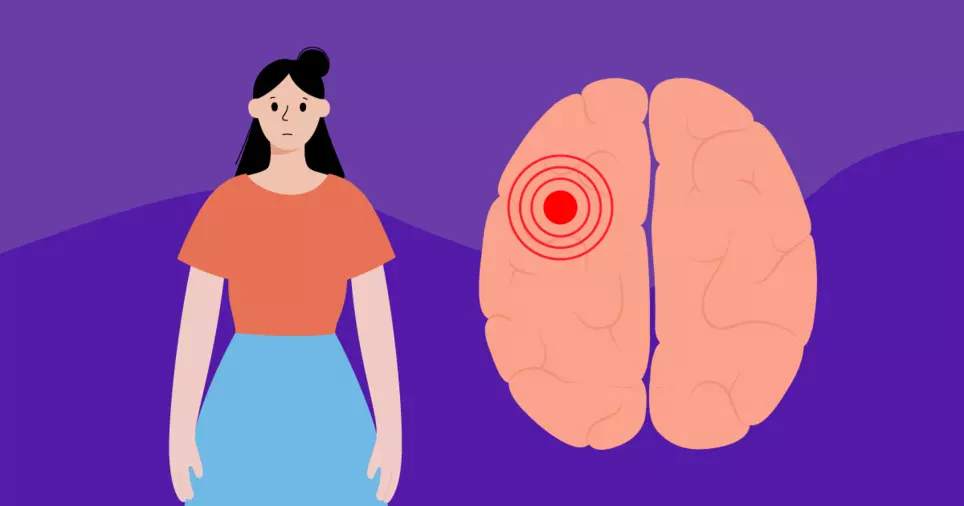
Catamenial Epilepsy Explained
October 1, 2025








 Join


 Your Privacy Choices
